


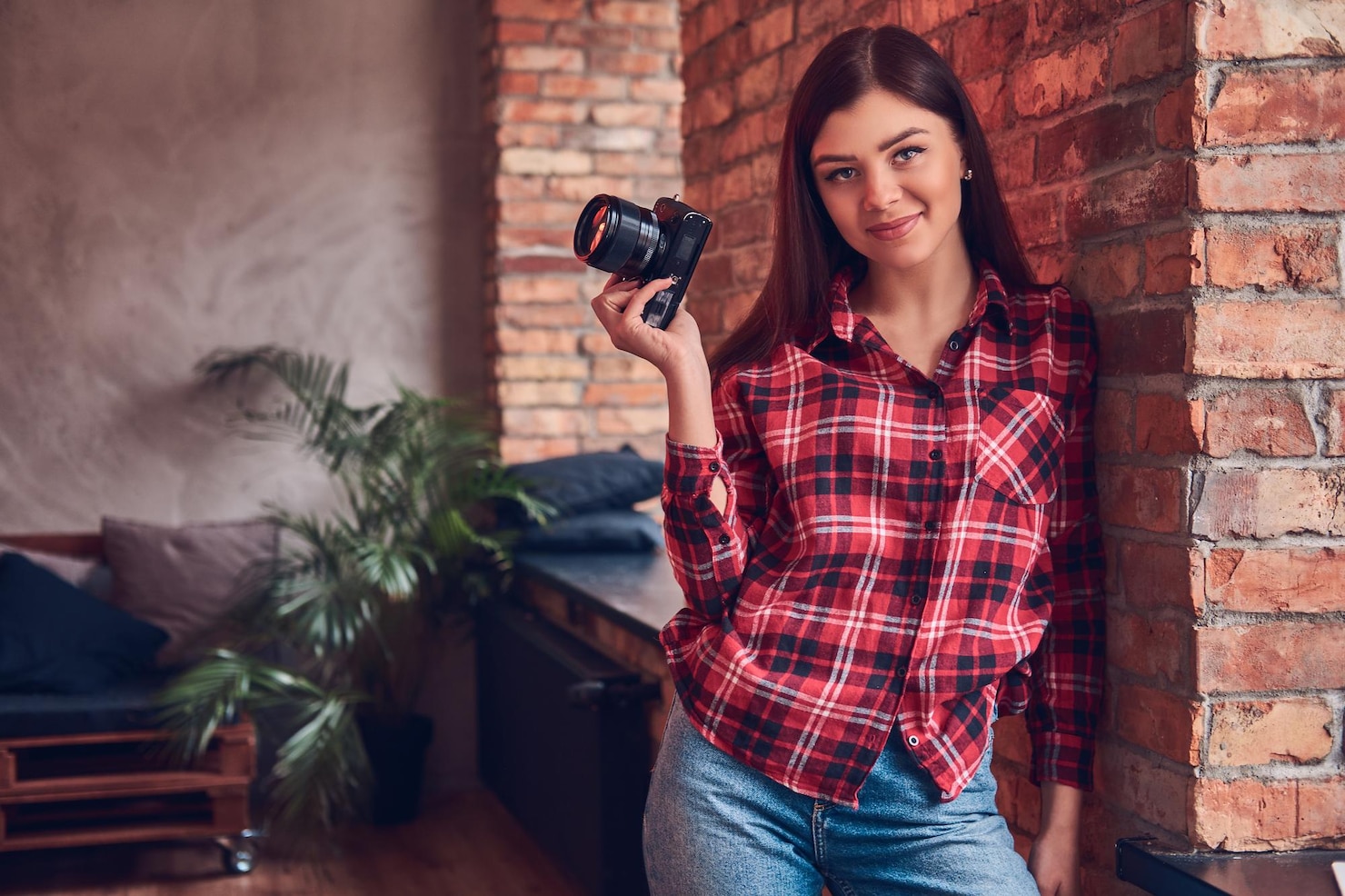
Personal Photography 101: A Beginner’s Guide to Capturing Yourself Naturally
Capturing yourself in photos can feel intimidating, but personal photography is one of the most powerful ways to express who you are. Whether you’re creating content for social media, updating your personal portfolio, or simply documenting your everyday life, learning how to photograph yourself naturally can boost your confidence and help you tell your story in an authentic way.
This guide will walk you through the essential steps—from preparing your space and choosing the right gear to posing, lighting, angles, and editing—so you can take beautiful, natural-looking self-portraits with ease.
Why Personal Photography Matters
Personal photography isn’t just about getting a good profile picture. It’s about capturing your personality, emotions, and lifestyle in a way that feels real. Natural self-portraits help you:
-
Build confidence
-
Document your journey
-
Share your story through visual content
-
Improve your on-camera presence
-
Create consistent branding for personal or professional use
With just a few tips and the right mindset, you can create images that are both meaningful and visually appealing.
1. Start With the Right Mindset
Before touching your camera or phone, shift into a mindset of comfort and creativity. Natural self-portraits come from feeling relaxed and confident.
Tips for the right mindset:
-
Don’t aim for perfection—aim for authenticity.
-
Take multiple shots; you’ll relax more after the first few.
-
Play your favorite music to set the mood.
-
Remind yourself: it’s your space, your pace, your expression.
Personal photography should feel like a fun, expressive process—not a stressful one.
2. Choose the Right Equipment (Even a Phone Works)
You don’t need professional gear to capture beautiful photos. Today’s smartphones are powerful tools for beginners.
Options based on your level:
Smartphone
-
Great for beginners
-
Easy to set up
-
Wide-angle and portrait modes for versatility
Mirrorless or DSLR Camera
-
Offers better depth, clarity, and low-light performance
-
Provides full control over settings
Helpful accessories
-
Tripod or phone stand
-
Wireless shutter or remote
-
Ring light or softbox
-
Background cloth or backdrop stands
Accessories help you stay hands-free so you can move naturally in your photos.
3. Use Lighting That Enhances Your Natural Look
Lighting is the heart of personal photography. The right light helps you look fresh, confident, and natural—without heavy editing.
Best lighting options:
Natural Light (Recommended)
-
Use windows for soft, diffused lighting
-
Shoot during golden hour for warm, flattering tones
-
Avoid harsh midday sunlight
Artificial Lighting
-
Ring lights create soft, even facial lighting
-
Softboxes mimic natural window light
-
Smart LED panels help you adjust warmth and brightness
Lighting tips:
-
Face the light source for the most natural skin tones
-
Avoid backlighting unless you want a silhouette or dreamy glow
-
Use reflectors (even white cardboard works!) to reduce shadows
4. Find a Clean and Comfortable Background
Backgrounds set the mood for your photo. Keep them simple so the focus stays on you.
Good background ideas:
-
A clean wall
-
Your bedroom or office setup
-
Outdoor areas like parks, gardens, or beaches
-
A photography backdrop
-
Minimalist furniture setups
Avoid clutter or distracting objects, unless they contribute to your story or aesthetic.
5. Use Angles That Highlight Your Best Features
Mastering your angles takes practice, but a few simple tips can dramatically improve your photos.
Try these angles:
-
45-degree angle to the camera for a slimmer look
-
Eye-level shot for natural portraits
-
Slightly above eye-level for softer features
-
Lower angles for confident, powerful poses
-
Side angles for candid or lifestyle feels
Move around as you shoot—small angle changes create big differences.
6. Learn Natural Posing Techniques
Posing naturally is often the hardest part for beginners. The trick is to make your body look relaxed, not stiff.
Beginner posing tips:
-
Relax your shoulders
-
Keep a slight bend in your arms and legs
-
Shift weight to one leg to avoid stiff posture
-
Look away from the camera for candid vibes
-
Use your hands naturally (touch hair, pockets, accessories)
-
Sit, stand, lean, walk—movement looks natural
Use props like coffee mugs, books, or hats to give your hands something to do.
7. Use Timers or Remotes for Hands-Free Shooting
To capture yourself naturally, you need mobility.
Options:
-
Camera remote
-
Bluetooth shutter
-
Smartphone self-timer
-
Voice control (available on many phones)
Use burst mode or continuous shooting to capture multiple poses in seconds. This helps you get spontaneous and natural shots without having to reset your position constantly.
8. Experiment With Composition and Creativity
Don’t be afraid to try new techniques! Creativity helps your photos feel personal and unique.
Creative composition ideas:
-
Rule of thirds
-
Leading lines (stairs, hallways, door frames)
-
Frame within a frame (windows, arches, mirrors)
-
Negative space for a minimalist look
-
Reflections in mirrors or windows
-
Shooting through objects like plants
These techniques help your self-portraits stand out visually.
9. Keep Your Editing Natural
Editing should enhance—not change—your natural appearance.
Recommended editing tools:
-
Lightroom
-
Snapseed
-
VSCO
-
Photoshop (for advanced users)
Editing tips:
-
Adjust brightness and contrast
-
Enhance colors subtly
-
Smooth skin lightly (avoid over-editing)
-
Remove minor distractions in the background
-
Keep your natural features intact
A soft editing style makes your photos look professional yet real.
10. Practice Consistently and Review Your Progress
Personal photography improves with practice. The more you shoot, the more comfortable you’ll become.
Ways to practice:
-
Weekly or daily self-portrait challenges
-
Try new locations
-
Experiment with props and themes
-
Recreate photos you admire
-
Study your favorite photographers
Review your images to understand what you love—and what you want to adjust next time.
Personal photography is a combination of creativity, comfort, and technique. You don’t need expensive gear or a professional studio; you simply need the confidence to express yourself and the willingness to experiment.
By mastering lighting, understanding your angles, choosing simple backgrounds, and practicing natural posing, you can create beautiful, honest self-portraits that reflect your true personality. As you grow more confident behind the camera, personal photography becomes not just a skill—but a form of self-expression and storytelling.
