


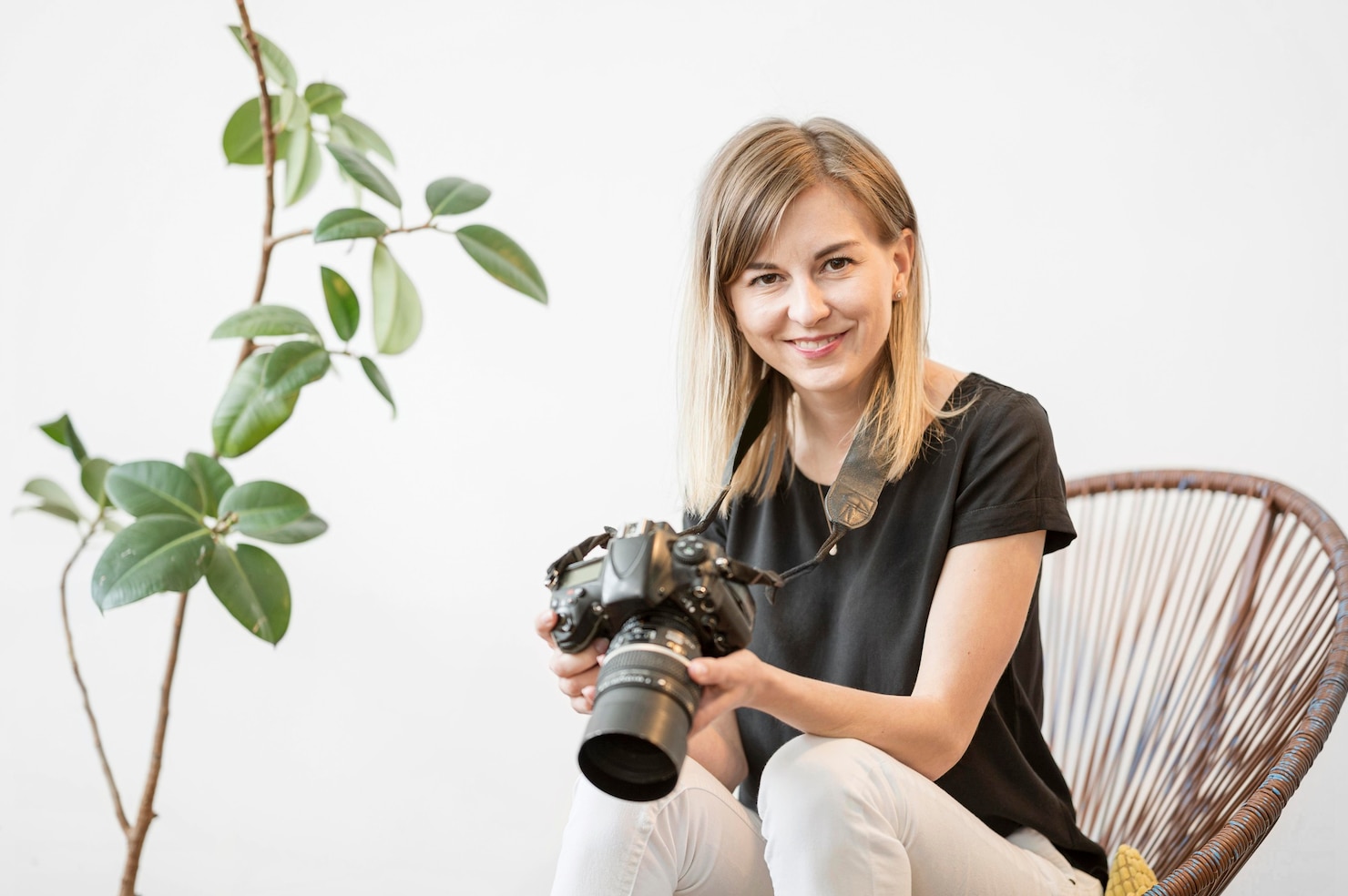
How to Use Your Environment for Beautiful Personal Photography
Personal photography is more than taking pictures of yourself—it’s about telling your story through the world around you. The environment you choose can transform a simple portrait into a powerful, visually compelling moment. Whether you’re shooting on a beach, in your bedroom, at a park, or downtown, your surroundings can make your personal photos more expressive, meaningful, and aesthetically beautiful.
If you want to elevate your personal photography, mastering how to use your environment is one of the most valuable skills you can build. Here’s your complete guide to choosing, shaping, and using your environment to create stunning personal photos.
1. Why Environment Matters in Personal Photography
Your environment plays three major roles in your photos:
✔ Background
It sets the tone—minimal, busy, colorful, calm, dramatic, or textured.
✔ Storytelling
It helps communicate mood, personality, and emotion.
A messy room tells a different story than a sunrise hillside.
✔ Lighting
Where you stand in the environment determines light direction, shadows, and highlights.
The right environment can dramatically improve your photos without expensive gear.
2. Choose an Environment That Enhances Your Style
Not every space fits every person. Start with what reflects you.
✨ For Minimal, Clean Aesthetics
Choose:
-
Plain walls
-
Open spaces
-
Soft lighting
-
Empty rooms
These spaces put all focus on you.
✨ For Natural, Soft, Emotional Photos
Choose:
-
Forest paths
-
Beaches
-
Gardens
-
Lakesides
Nature provides movement, texture, and authenticity.
✨ For Bold, Urban, Modern Photos
Choose:
-
City streets
-
Coffee shops
-
Graffiti walls
-
Parking garages
These spaces add personality and edge.
✨ For Cozy, Relatable Lifestyle Photography
Choose:
-
Your bedroom
-
Living room corners
-
Desk setups
-
Kitchen areas
Great for social media or personal-brand content.
3. Understand How Light Interacts With Your Environment
Lighting is everything in photography—and different environments provide different lighting opportunities.
🌤 Outdoor Environments
-
Golden Hour (sunrise & sunset): Soft, warm, flattering.
-
Shade or overcast: Smooth, even light with minimal shadows.
-
Midday sun: Strong, harsh light—use reflective surfaces or shade.
🏠 Indoor Environments
-
Use window light as your main source.
-
Position yourself diagonally to the light, not directly in front of it.
-
Soft curtains create a natural diffuser.
💡 Artificial Environments
Experiment with:
-
Lamps
-
Fairy lights
-
LED strips
-
Neon signs
These can create cinematic or creative effects.
4. Use Natural Elements to Frame Your Shot
Creating a frame within the frame helps draw the viewer’s eye to you.
Examples of Natural Framing Elements:
-
Doorways
-
Windows
-
Tree branches
-
Overhangs
-
Curtains
-
Railings
This technique makes your photo feel intentional and professional.
5. Add Depth Using Background Layers
Flat photos feel lifeless—but layers add depth and realism.
How to Add Layers:
-
Include foreground objects (plants, books, silhouettes, flowers).
-
Position yourself a few feet away from the background.
-
Use environmental textures behind you (wood, water, stone, grass).
Depth makes your photos feel more three-dimensional and immersive.
6. Match Your Poses to the Environment
Your pose should complement the setting.
In Nature
-
Soft, relaxed poses
-
Looking away
-
Gentle movement (walking, brushing hair)
In Urban Spaces
-
Strong lines and angles
-
Leaning on walls
-
Dynamic walking shots
-
Looking directly into the camera
Indoors
-
Comfortable poses
-
Sitting on beds, chairs, floors
-
Using props around you (mugs, books, mirrors)
The right pose makes your environment feel natural rather than forced.
7. Use Your Surroundings as Props
Props don’t have to be objects you bring—they can be natural elements around you.
Nature Props:
-
Leaves
-
Flowers
-
Rocks
-
Water reflections
Urban Props:
-
Stairs
-
Street lights
-
Benches
-
Glass reflections
Indoor Props:
-
Mirrors
-
Bedsheets
-
Curtains
-
Lamps
These add interest and personality to your photos.
8. Pay Attention to Colors and Textures
Color harmony enhances the beauty of your photos.
Tips:
-
Wear colors that contrast with the background for a bold look.
-
Wear colors that blend for a soft, dreamy look.
-
Avoid busy backgrounds if your clothes have lots of patterns.
-
Use natural textures like wood, metal, stone, or fabric to add richness.
Color and texture create emotional tone—make them work for you.
9. Make Use of Leading Lines
Leading lines guide the viewer’s eyes.
Examples:
-
Roads
-
Shorelines
-
Hallways
-
Fences
-
Stair railings
Stand where the lines naturally point toward you. Your environment becomes a storytelling tool.
10. Use Reflections for Creative Personal Photography
Reflections add depth, symmetry, and creativity.
Try reflections from:
-
Mirrors
-
Windows
-
Water surfaces
-
Shiny objects
-
Phone screens
Even a small surface can produce stunning imagery.
11. Keep Your Background Clean and Intentional
Avoid:
-
Random clutter
-
Distracting people
-
Messy shelves
-
Busy displays
A clean background makes your photo look professional—even if shot on a phone.
12. Experiment With Different Angles and Distances
The environment changes drastically depending on your angle.
Try:
-
Low angles to make buildings look dramatic
-
High angles for lifestyle shots
-
Wide shots to show scenery
-
Close-ups to focus on emotion
Move around—don’t just take photos from eye level.
13. Use the Weather to Your Advantage
Weather creates mood.
Examples:
-
Fog = mysterious
-
Rain = cinematic and emotional
-
Sunlight = warm and energetic
-
Wind = movement in hair and clothes
Always check lighting direction before shooting.
14. Tell a Story With Your Environment
Your surroundings should express:
-
Who you are
-
What you like
-
Where you are
-
What mood you want to create
Instead of just standing somewhere, interact with your environment—walk, sit, laugh, explore.
Your Environment Is Your Biggest Photography Tool
You don’t need a studio or expensive equipment to take beautiful personal photos. Your environment—whether natural, urban, or inside your home—provides endless creative possibilities.
By understanding light, color, texture, angles, and composition, you can use any space to tell your story naturally and beautifully.
